
Ethical Representation of Vulnerable Communities
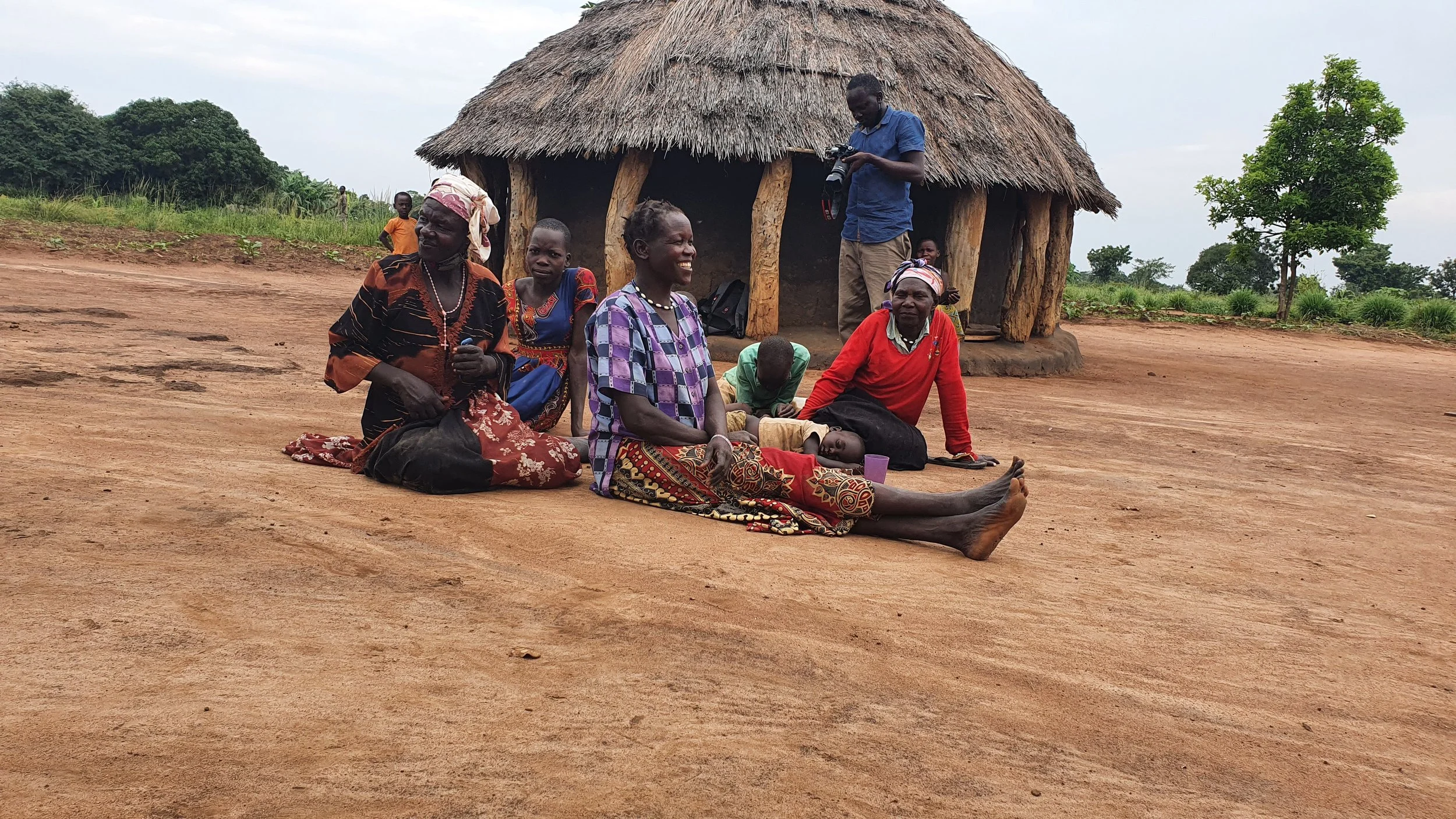

Storytelling shapes perception, policy, funding, trust, and power.
Across the humanitarian and development sectors, organisations are increasingly recognising that traditional approaches to representing vulnerable communities can reinforce harm, exclusion, and unequal power dynamics.
Drawing on experience across broadcasting, NGOs, and international development, I support organisations in developing communications approaches that uphold dignity, strengthen participation, build community trust, and enable more ethical systems of representation — without compromising public engagement or institutional impact.
At the same time, I am exploring the need for independent infrastructures for community narrative accountability outside institutional control: multi-layer civic systems for documenting, analysing, and addressing harms in representation and storytelling — moving from community testimony to external accountability.
What is Narrative Accountability?
Narrative Accountability is a framework for community-led approaches to representation in media, NGO, humanitarian, and advocacy contexts.
It starts from a simple principle - Communities should be able to set the terms under which their stories are told — before storytelling begins, not only respond after publication.
It also includes independent and safe pathways for raising concerns when harm, misrepresentation, or consent issues arise.
A Reversal in Storytelling Practice
This approach involves a shift in how consent and accountability work.
Current system
Institutions design consent processes
Communities sign agreements, often within unequal power relationships
Institutions retain control over how stories are framed and used
Reversed system
Communities provide a Narrative Protocol / Consent Framework
Institutions agree to those terms before storytelling begins
Storytelling only proceeds under community-defined conditions
What this reversal changes
Authority: from institutions → communities
Consent design: from internal processes → externally defined conditions
Accountability baseline: from optional review → pre-condition for storytelling
The future of ethical storytelling is not simply better representation. It is building the systems, standards, and safeguards that allow communities to participate in, influence, and challenge the narratives that affect their lives.
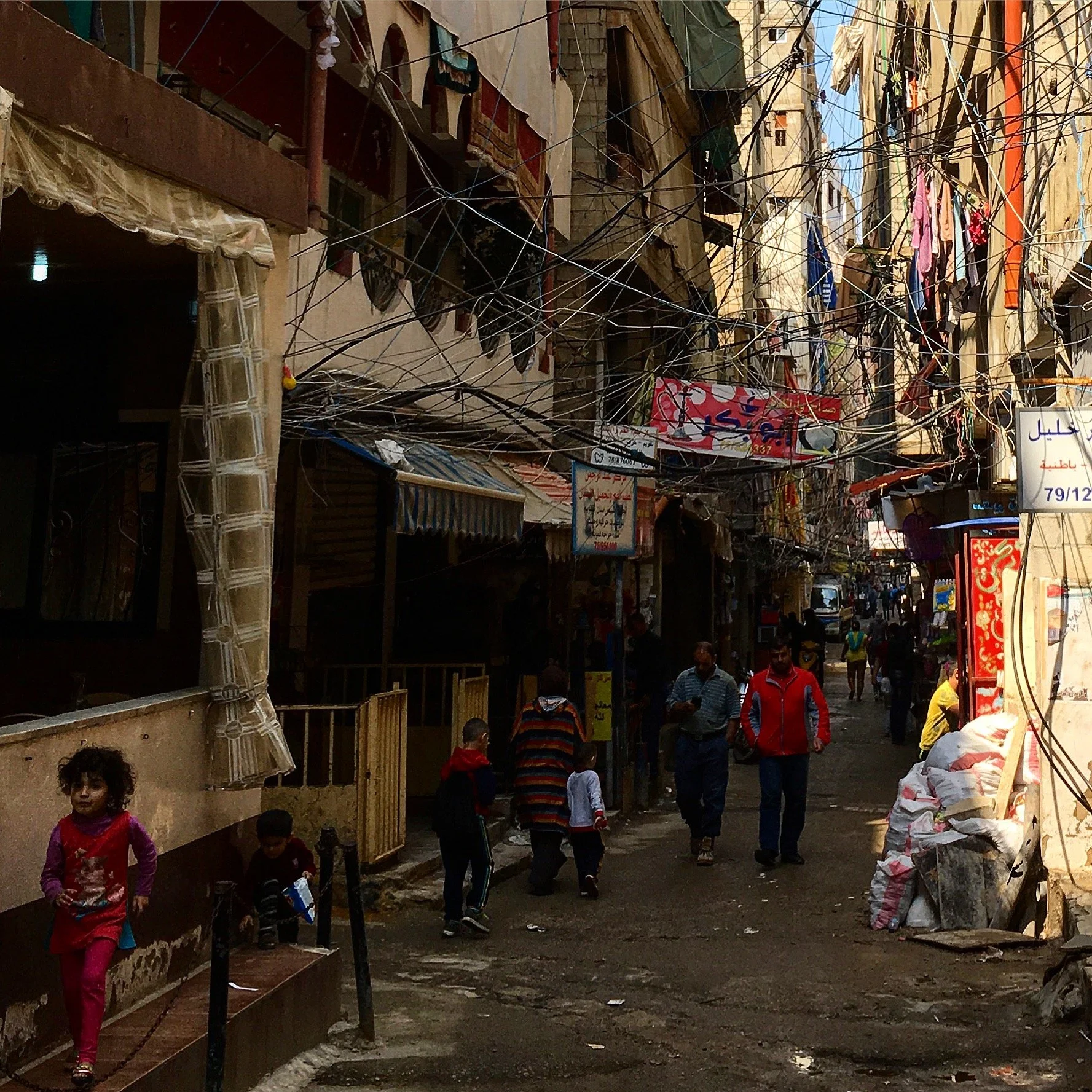
Photos at the top are courtesy of Xavier Verhoest taken during a body mapping workshop in Somalia and Steven Oola recording songs of war in Uganda as part of Performing Violence Engendering Peace project supported by UKRI. Photo of street is my own taken inside Shatila Refugee Camp, Beirut as part of the project Following the Wires funded by the AHRC, which led to the documentary feature film “About a War” (2019). .